how do i know if im native american

History and significance of native American hall rugs

Understanding the history of your family and ancestors is a journey that can be both enlightening and rewarding. It allows you to uncover the stories and experiences of those who came before you, shaping the person you are today.

When it comes to determining if you are Native American, there are a few steps you can take to explore your heritage. One way is to research your family tree and look for any ancestors who may have been part of a Native American tribe. This could involve looking through old records, speaking with older relatives, or even taking a DNA test to trace your lineage.

Another way to connect with your Native American roots is to reach out to tribal organizations or genealogy resources that specialize in Native American ancestry. They may be able to provide guidance on how to further investigate your heritage and possibly even connect you with other members of your tribe.

Ultimately, discovering if you are Native American is a personal journey that requires patience, curiosity, and an open mind. By delving into the history of your family and ancestors, you can gain a deeper understanding of where you come from and honor the legacy of those who walked before you.
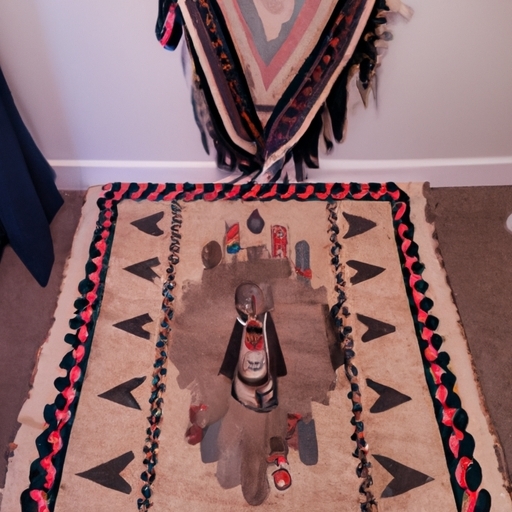
History and significance of native American hall rugs

Materials used in making native American hall rugs

Researching tribal records and genealogy to determine if one is Native American can be a deeply personal and meaningful journey. It involves delving into one's family history, connecting with ancestors, and uncovering a rich cultural heritage.

To begin this process, individuals can start by gathering information from their own families. This may involve speaking with older relatives, looking through old photos and documents, and piecing together stories that have been passed down through generations. Additionally, researching tribal records and genealogy databases can provide valuable insights into one's ancestry and help confirm Native American heritage.

It is important to approach this research with an open mind and a willingness to learn about the complexities of tribal identity. Being Native American is not just about genetics or blood quantum; it is also about cultural connection, community involvement, and respect for traditions.

Ultimately, determining if one is Native American requires a combination of historical research, personal reflection, and engagement with tribal communities. By approaching this process with sensitivity and curiosity, individuals can gain a deeper understanding of their heritage and connect more deeply with their roots.

Different styles and designs of native American hall rugs

As a person trying to navigate their cultural identity, seeking guidance from a tribal elder or cultural expert can be incredibly valuable. When it comes to determining if you are Native American, it is important to understand that identity is not solely based on blood quantum or genetics. Being Native American encompasses more than just having ancestors who were indigenous people.

To truly know if you are Native American, it is essential to connect with your community and learn about the traditions, customs, and history of the tribe you believe you may belong to. This involves engaging in conversations with elders, participating in cultural events, and immersing yourself in the practices of the community.

However, it is also crucial to approach this process with humility and respect. Indigenous cultures have been subjected to centuries of colonization and oppression, so it is important to acknowledge the impact of historical trauma and be open to learning from those who have experienced its effects firsthand.

By seeking guidance from a tribal elder or cultural expert, you can gain a deeper understanding of what it means to be Native American and how you can best honor and support indigenous communities. Remember that identity is a complex and personal journey, and by approaching it with an open heart and mind, you can find clarity and connection within your heritage.

native american hall rugs Shop

native american hall rugs Shop

Cultural importance of native American hall rugs

Deciding whether or not you are Native American can be a complex and personal journey. Many people feel a strong connection to their heritage and want to explore their ancestry through DNA testing. Taking a DNA test for Native American ancestry can provide valuable information about your genetic background and help you better understand your roots.

There are several reasons why someone might want to know if they have Native American ancestry. Some people may have heard stories or rumors within their family about indigenous heritage and want to confirm these claims. Others may feel drawn to Native American culture and traditions and wish to explore their connection on a deeper level.

DNA testing can provide concrete evidence of your genetic makeup and reveal any Native American ancestry that may be present in your lineage. By comparing your DNA with samples from indigenous populations, testing companies can determine the likelihood of Native American heritage in your family tree.

It's important to note that DNA testing is just one piece of the puzzle when it comes to determining Native American ancestry. Tribal affiliation is also crucial, as many tribes have specific criteria for membership based on genealogy, culture, and history. If you do discover Native American ancestry through DNA testing, it's worth reaching out to tribal organizations or genealogy experts for further guidance on how to connect with your indigenous roots.

Ultimately, deciding whether or not you are Native American is a deeply personal decision that goes beyond genetics. It's about embracing and honoring the cultural heritage that shapes who we are as individuals. So if you're considering taking a DNA test for Native American ancestry, remember that it's just one step in a larger journey of self-discovery and connection with your roots.

How to care for and maintain native American hall rugs

As someone who is interested in exploring their heritage and cultural roots, it can be a rewarding experience to delve into the traditional customs and practices of your family or community. For individuals who suspect they may have Native American ancestry, there are several ways to confirm this connection.

One of the first steps you can take is to research your family history. Look for any documents, photographs, or stories that may indicate Native American heritage within your lineage. This could include birth certificates, marriage records, or oral histories passed down through generations. Additionally, consider reaching out to older relatives who may have more information about your family's background.

Another way to determine if you are Native American is through DNA testing. There are several companies that offer genetic testing services specifically designed to help individuals trace their ancestry back to specific indigenous populations. By comparing your DNA results with known Native American genetic markers, you may be able to confirm your heritage.

Finally, consider connecting with local tribal organizations or cultural centers in your area. These groups often provide resources and support for individuals seeking to learn more about their Native American roots. By immersing yourself in the traditions and practices of these communities, you can gain a deeper understanding of your heritage and develop a stronger sense of cultural identity.

In conclusion, exploring traditional customs and practices within your family or community can be a meaningful journey of self-discovery. By taking proactive steps such as researching your family history, undergoing DNA testing, and engaging with local tribal organizations, you can gain valuable insights into your Native American heritage and connect with a rich cultural legacy that has endured for centuries.

You can trace your ancestry through genealogical research or consult with a tribal enrollment office.
Each tribe has its own criteria for determining membership, which may include blood quantum or descent from a tribal member.
Those who are enrolled members of a tribe may be eligible for various services and programs provided by the federal government, such as healthcare and education assistance.